
‘Oíche na Gaoithe Móire’ 6th - 7th January 1839
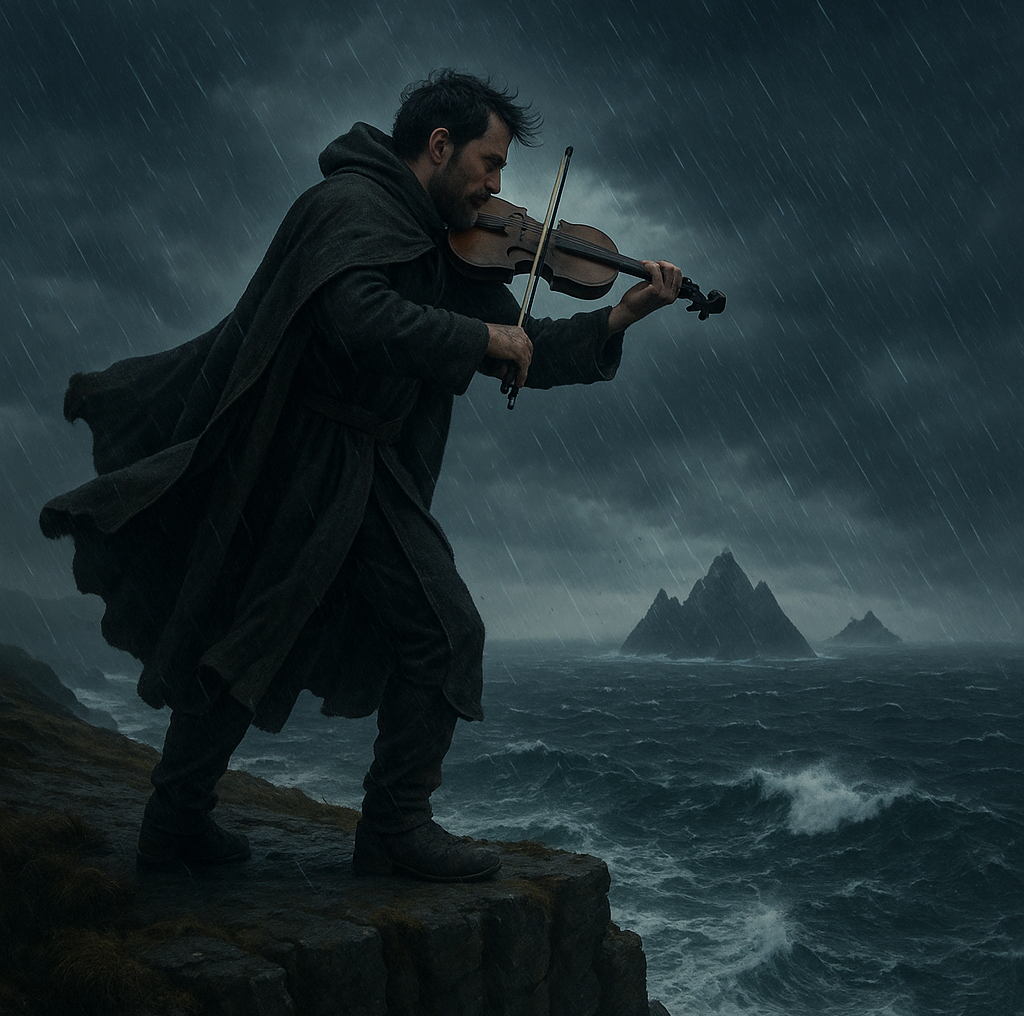
The night of the big wind ‘Oíche na Gaoithe Móire’.
Was the most devastating storm ever recorded in Irish history. The hurricane of 6th and 7th January 1839 made more people homeless in a single night than all the sorry decades of eviction that followed it. The calm before the Big Wind struck was particularly eerie. Most of the eight million people living in Ireland at the time were preparing themselves for Little Christmas, the Feast of the Epiphany.
The 5th had seen the first snowfall of the year; heavy enough for some to build snowmen. By the following day, Sunday morning was unusually warm along the west coast and the air was still. At approximately 3pm, the rain began to fall and the wind picked up. Nobody could possibly have predicted that those first soft raindrops signified an advance assault from the most terrifying hurricane in human memory. By 6pm, the winds had become strong and the raindrops were heavier, with occasional bursts of hail and sleet. From the West an increasingly loud rumble could be heard.
By 10pm, Ireland was in the throes of a ferocious cyclone that would continue unabated until 6am. The hurricane had roared unmolested across 3,000 miles of Atlantic Ocean, gathering momentum every second. It hit Ireland’s west coast with such power that the waves actually broke over the top of the Cliffs of Moher. Reading contemporary accounts, the impression is that if Ireland did not have such magnificent cliffs forming a barrier along our west coast, the entire country would simply have been engulfed by water.
Stories of the events that night were shared by story-tellers up to modern times.
‘The talking Jackdaw’ is one such story told by Matt Joe O’Neill from the Binneas Collection that can be heard here.
Binneas Image (Copyright)